

Table of Contents
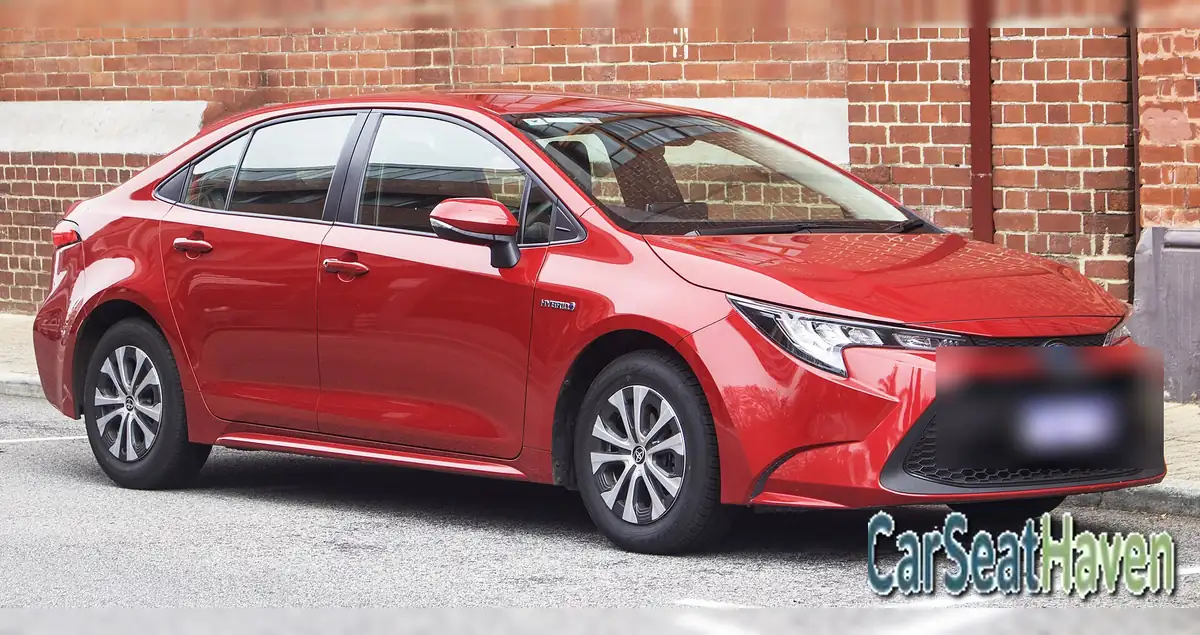
If you are looking at a Toyota Corolla in the United States, the simplest way to understand it is this: it is a small, dependable sedan built for everyday life, not for speed or for a big family. The 2026 sedan comes in gas and hybrid form, and most buyers will start with the sedan rather than the hatchback. Gas prices start at $23,125 before destination, hybrid prices start at $24,975 before destination, and the hybrid is usually the smarter pick for commuters because it reaches 50 miles per gallon combined. Five people can sit inside, the trunk holds 13.1 cubic feet, and Toyota Safety Sense 3.0 comes standard.
What you need to know first
- The Corolla sedan in the United States is a compact sedan with five seats. It is not a large sedan, and it is not an SUV.
- There are two main sedan powertrains. The gas model uses a 2.0 liter engine with 169 horsepower. The hybrid model uses a 1.8 liter hybrid system with 138 horsepower in total.
- The hybrid is the fuel economy leader. The front wheel drive Hybrid LE and Hybrid XLE are rated at 50 miles per gallon combined. The gas LE is rated at 35 miles per gallon combined.
- All wheel drive is only available on the hybrid sedan, on the Hybrid LE and Hybrid SE. Gas sedans are front wheel drive only.
- Prices below are before destination. Add $1,195 for destination to get a price that is closer to the window sticker price. Other sources show higher totals because they already include destination.
- Safety equipment is strong on paper, but safety ratings must be read by body style. The sedan and the hatchback are not the same car for rating purposes.
- The Corolla is built for daily driving, commuting, and low running costs. It is not built for strong acceleration, a large trunk, or a roomy rear seat for tall adults on long trips.
- Before you buy any Corolla, new or used, check for open recalls by the vehicle identification number. That single check matters more than any general reliability claim.
What the Toyota Corolla is in the United States
People keep buying the Corolla for a reason that has very little to do with excitement. Since 1966, the name has grown into one of the best selling car names in the world, with more than 50 million sold over twelve generations. In the United States alone, nearly a quarter million were sold in 2025. That happened in a market that loves SUVs, which tells you something about how many drivers still want a small, simple sedan.
What you see today is the twelfth generation, which arrived for the 2020 model year in the United States. The 2026 car is mostly the same car, with a couple of changes that actually matter in daily use. Blind spot monitoring with rear cross traffic alert now comes standard across the range, and so does a digital instrument panel. One trim quietly disappeared from the sedan list. The FX trim is no longer a sedan trim for 2026, though you can still find it on the hatchback.
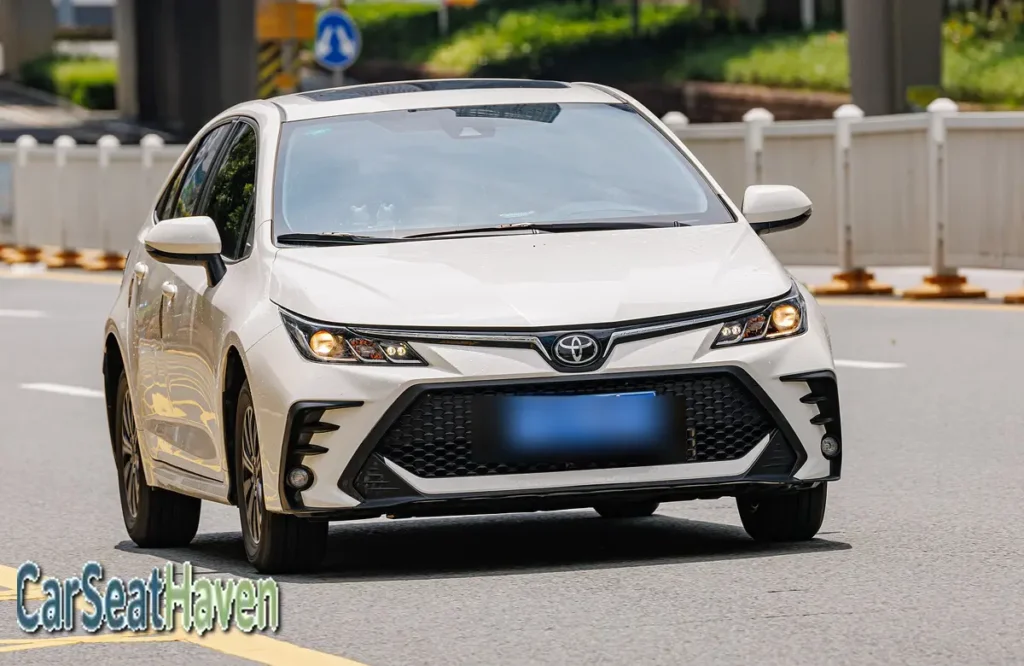
Keep the body styles straight, because mixing them up explains a lot of confusing prices and ratings you will see online. This guide is mainly about the sedan. The hatchback is a different body style, with its own price list and its own ratings. The Corolla Cross is a small SUV, not a sedan at all. The GR Corolla is a high performance hatchback, and it lives in a different world of price and character. When a Corolla price or rating looks wildly different from the sedan figures here, check the body style first. Nine times out of ten, that is where the difference comes from.
Price and trims in the United States
Every price in this section is before destination, unless a line says otherwise. Destination is $1,195 in the sources used here. Tax, title, registration, dealer fees, and dealer installed options sit on top of that, so the price on the window will be higher, and the price you actually pay will depend on your dealer and your state.
Gas sedan trims
- LE, $23,125. This is the base gas sedan and the value starting point.
- SE, $25,565. This adds sport seats, larger wheels, and selectable drive modes.
- XSE, $28,840. This is the top gas sedan, with more equipment, heated sport seats, and a larger digital cluster.
Hybrid sedan trims
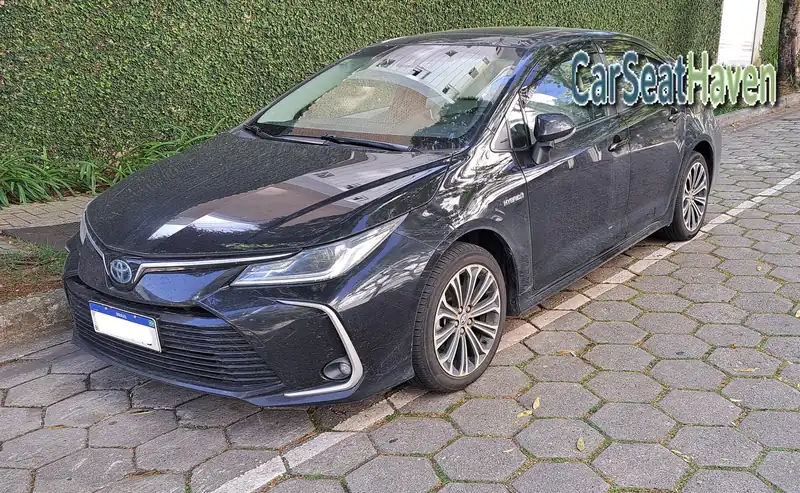
- Hybrid LE, $24,975. This is the base hybrid sedan and the best fuel economy value in the range.
- Hybrid SE, $27,415. This adds sport styling and sport seats, but fuel economy drops slightly compared with the Hybrid LE.
- Hybrid XLE, $29,340. This is the top hybrid sedan, with heated SofTex trimmed front seats, a power moonroof, and a 12.3 inch digital gauge cluster.
Add destination and the picture shifts in a way that explains a lot of confusion online. The gas LE becomes about $24,320, and the Hybrid LE becomes about $26,170. Some sites list the price before destination, some include it, and some list a fair purchase price based on recent sales. None of that means one site is lying. It just means they are using a different basis, and this guide sticks to the before destination basis so every trim can be compared fairly.
So which trim actually makes sense? If lowest price and simplest ownership matter most, the gas LE does the job. If you spend a lot of time in city traffic, the Hybrid LE costs $1,850 more than the gas LE before destination, yet it can save a serious amount of fuel over time. If you already want a hybrid and you like a nicer cabin, the Hybrid XLE feels like a step up, but do compare its final price with a larger sedan first. Once you reach that price, the extra space of a bigger car starts to count.
Gas versus hybrid
| Feature | Gas Corolla | Hybrid Corolla |
|---|---|---|
| Starting price before destination | $23,125 for LE | $24,975 for Hybrid LE |
| Engine | 2.0 liter gasoline engine only | 1.8 liter gasoline engine plus electric motor |
| Horsepower | 169 | 138 in total |
| Combined MPG for LE | 35 | 50 for front wheel drive LE |
| Drivetrain | Front wheel drive only | Front wheel drive, all wheel drive on Hybrid LE and Hybrid SE |
| Fuel tank | 13.2 gallons | 11.3 gallons |
| Best for | Lower buying price and simple ownership | More city driving and lower fuel cost over time |
A gas Corolla works the way most drivers expect a car to work. You fill it up at any gas station, you drive it, and you do not have to learn anything new.
A hybrid Corolla is not a plug in car, and that point trips up a lot of buyers. You never plug it in. Under the hood there is a gasoline engine plus one or more electric motors and a small battery. When you slow down, the car captures energy, stores it, and then uses the electric motors to help the engine, especially at low speed and in city traffic. You still buy gasoline, just noticeably less of it.
In real life, the difference feels straightforward. The gas car is cheaper to buy and easier to explain. The hybrid car feels quieter at low speed, smoother in stop and go traffic, and far more efficient around town. The catch is the higher starting price, and on some trims a slightly slower feel on the highway, because the hybrid system is tuned to save fuel, not to sprint.
All wheel drive changes the decision too. Want it in a Corolla sedan? Then you have to go hybrid, and you have to pick the Hybrid LE or the Hybrid SE. The system is on demand, with a separate electric motor driving the rear axle when extra traction is needed. Think rain and light snow on normal roads, not off road trails. And even with all wheel drive, winter tires still matter where roads freeze, because all wheel drive helps you get moving, it does not help you stop on ice.
Fuel economy by trim and drivetrain
These are EPA estimates for the 2026 model year. Real life will move them around. Cold weather, short trips, fast highway driving, heavy traffic, and tire choice all pull the number down, sometimes by a lot.
Gas models
- LE, 32 miles per gallon in the city, 41 on the highway, 35 combined.
- SE, 31 in the city, 40 on the highway, 34 combined.
- XSE, 31 in the city, 40 on the highway, 34 combined in the main trim tables used here.
Hybrid models
- Hybrid LE, front wheel drive, 53 in the city, 46 on the highway, 50 combined.
- Hybrid XLE, front wheel drive, 53 in the city, 46 on the highway, 50 combined.
- Hybrid SE, front wheel drive, 50 in the city, 43 on the highway, 47 combined.
- Hybrid LE, all wheel drive, 51 in the city, 44 on the highway, 48 combined.
- Hybrid SE, all wheel drive, 47 in the city, 41 on the highway, 44 combined.
Tank size adds another layer to the story. Gas sedans carry 13.2 gallons. Hybrid sedans carry only 11.3 gallons. Yet the hybrid still goes further on a full tank in most driving, simply because it sips fuel so slowly. A front wheel drive Hybrid LE rated at 50 miles per gallon combined works out to roughly 565 miles of estimated range, before real world variation eats into that figure.
Can the hybrid actually pay for itself? Sometimes, and the maths is worth doing with your own numbers, not someone else’s. One published calculation compared a gas LE at $23,125 with a hybrid LE at $24,975, a gap of $1,850 with the same destination fee on both, assumed 13,476 miles a year, and used a fuel price of $4.23 per gallon. On those assumptions, the hybrid used about 131 fewer gallons a year and saved about $553 a year in fuel, which would clear the price gap in under four years. Drive a lot less, or pay a lot less for fuel, and that payback stretches out. Drive a lot more, and it arrives sooner. Treat any payback claim as a test, not a promise.
Driving, comfort, interior and cargo
Around town, the Corolla is about as easy as cars get. Parking is simple, maneuvering is simple, and the controls make sense the first time you sit in the car. You do not have to dig through menus to change the temperature or turn the volume up. For a lot of buyers, that ease is the whole point.
Out on the road, the ride stays smooth over most surfaces, but do not expect quick. In one independent test, a gas XSE took 8.8 seconds to reach 60 miles per hour from a standstill. Day to day, that means highway merges and passing need a bit more planning than they would in a stronger car. The continuously variable transmission mostly stays out of the way, and its simulated gear changes cut down the droning sound drivers often dislike in this kind of gearbox. The XSE looks sportier, yet it does not drive like a sports sedan. It leans in corners, and its tires run out of grip sooner than you might hope. That is normal for a car built around comfort and efficiency, not speed.
Comfort is a mixed bag, and you should know that before you buy, not after. Up front, most drivers will be fine. Headroom and legroom are good, and the seats are comfortable enough for normal driving. In the back, legroom is also good, at 34.8 inches in the figures used here, but headroom gets tight for taller passengers, thanks to the tapered roofline. The complaint you will hear most often is road noise. On the highway it can get loud enough that you end up turning the stereo up just to hear it properly. Push the engine hard and it sounds strained too. That is why a short drive around the block is not enough. Take it on a highway before you decide.
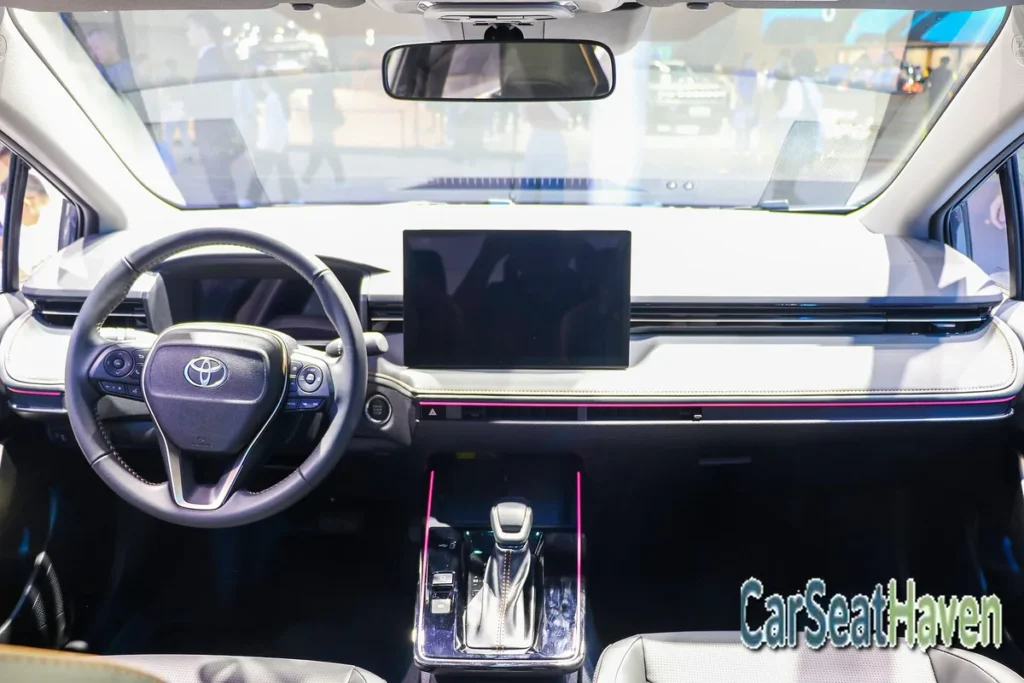
Inside, the materials are simple and mostly hard plastic, especially lower down the range. Nothing feels broken or flimsy, and the cabin is easy to keep clean, but it does not feel premium. Higher trims lift things a bit, with SofTex trimmed seats, heated seats, and the larger digital cluster, without changing the basic layout.
If you have kids, one detail is genuinely useful. The car seat anchors are clearly marked, and reviewers note there is ample room for infant and child safety seats in the back. Still, bring your own seats to the dealer and fit them before you sign. Seat shape, belt length, and door opening size can turn a good paper fit into a frustrating real one.
Tech follows the same useful, not overwhelming, pattern. The standard touchscreen is 8 inches. A 10.5 inch screen is available on some trims and standard on the top hybrid trim. Wireless Apple CarPlay and Android Auto come standard, so most people can just use their phone for maps and music. The standard digital gauge cluster is 7 inches, rising to 12.3 inches on higher trims. Climate controls stay physical, which is a small mercy. You do not have to tap through screens to stay warm. Some connected features, like remote start through the app, cloud navigation, and WiFi, may need a subscription after a trial. Check how long the trial lasts and what it costs later, before you count those features as free.
Cargo is adequate, and that word is doing a lot of work here. The trunk holds 13.1 cubic feet. That covers groceries and normal luggage without drama, but it is slightly smaller than the Honda Civic, the Hyundai Elantra, and the Nissan Sentra in the comparisons used here. Rear seatbacks fold, yet they do not sit flat with the trunk floor, so longer or bulkier items get awkward fast. Small item storage inside is also on the tight side. A phone and everyday bits fit fine, but rivals give you more cubbies and bigger door pockets. If big boxes, a dog crate, or flat pack furniture are a regular part of your life, a hatchback or a larger car will suit you better than this sedan trunk.
Safety
Standard safety equipment
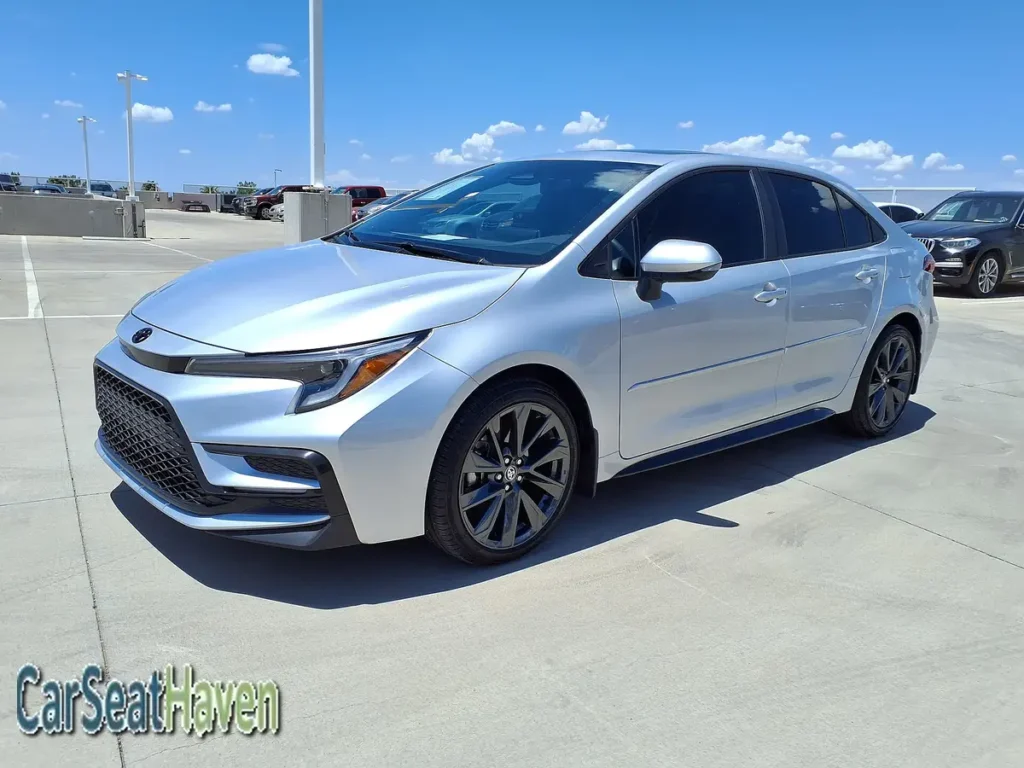
Every 2026 Corolla sedan comes with Toyota Safety Sense 3.0 as standard. Inside that suite you get forward collision warning with pedestrian detection, automatic emergency braking, adaptive cruise control, lane departure alert, lane tracing assistance, road sign assistance, and automatic high beams. For 2026, blind spot monitoring with rear cross traffic alert joins the standard list across the range, which matters, because lower trims used to feel thin on that front.
None of this is self driving, and it is worth saying that plainly. Lane tracing and adaptive cruise control help on a highway, but your hands stay on the wheel and your eyes stay on the road. In expert testing, lane keeping earned praise for centering the car without fighting the driver, while blind spot warning was noted as visual only in the tested car, with no sound alert. Small things like that shape daily use more than a brochure list does, so check them on your own test drive.
Crash ratings
Crash ratings are where you need to slow down and read carefully, body style by body style, test by test. The National Highway Traffic Safety Administration has awarded the Corolla a five star overall rating in published results, with the hatchback clearly rated at five stars overall in the detailed tables. For the sedan, coverage has varied by test date, and some earlier writeups noted that the sedan had not yet been fully rated when they were written. A hatchback rating does not automatically transfer to the sedan, and the reverse is also true.
The Insurance Institute for Highway Safety picture is mixed as well, and it should not be flattened into a single award claim. Published evaluations give the Corolla Good ratings in the small overlap front test and in updated side testing, while the updated moderate overlap front test has been rated Marginal for rear passenger chest protection in the detailed evaluation used here. Because test coverage was incomplete for some award criteria, the 2026 Corolla does not appear on the 2026 Top Safety Pick list in either body style in the evaluations used here. That is a coverage result, not a verdict that the car failed every test. It means the smart move is to look at individual test ratings for the exact body style you want, not just an award label.
Put together, the practical takeaway is simple enough. Standard equipment is strong. The structure is modern. Several key tests are Good, with one weaker rear seat result in an updated test that Toyota has already tried to improve with rear seat belt load limiters and pretensioners. If rear seat safety sits at the top of your list, read the current IIHS page for your exact model year and body style before you buy, and fit your own child seats at the dealer.
Reliability, warranty, and ownership cost
Reliability data
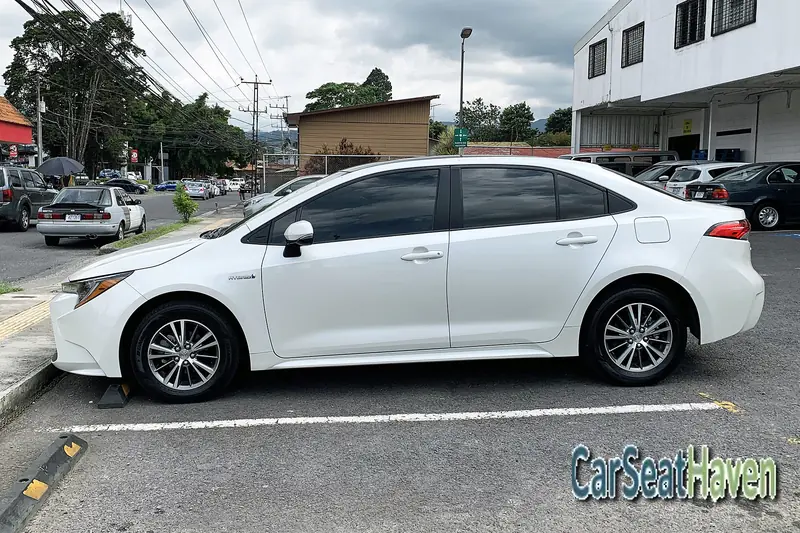
Reliability is the reason a lot of people end up with a Corolla, and on the whole the data backs that up, without turning it into a guarantee for any single car. RepairPal rates the Corolla at 4.5 out of 5, and ranks it first out of 46 compact cars in the table used here. Annual repair cost in that table is $308, against $416 for the average compact car. Repairs happen 0.6 times a year, against 1.01 times a year for the average compact car. Serious repairs make up 6.9 percent of the total, against 10.4 percent for the average compact car. Those numbers describe the model in general. Your car will still depend on how it was maintained, how far it has driven, and how it was treated.
Warranty coverage
Warranty coverage is ordinary for the class, not something to brag about on its own. Basic cover runs 3 years or 36,000 miles. Powertrain cover runs 5 years or 60,000 miles. Rust protection runs 5 years with unlimited miles. Roadside assistance runs 2 years with unlimited miles. Free scheduled maintenance runs 2 years or 25,000 miles, which is actually unusual in this class and worth counting in your first two years. After that, maintenance, tires, brakes, and fluids are on you, like any other car.
Used Corollas
With used cars, the year matters more than the badge alone suggests. Owner complaint data shows some older years with far more complaints than others. The 2009 model year stands out, with airbag, engine oil consumption, cooling, and steering complaints in large numbers, and 13 recalls in the records used here. The 2003, 2005, 2006, 2007, and 2010 model years also show higher complaint counts in that data, with airbags as the biggest issue group, followed by engine, cooling, speed control, and steering problems.
Here is where guides start to disagree, and that disagreement is useful in itself. One index calls 2021 the best year and calls 2020 and 2023 weaker, pointing to a warning message that will not clear on some 2020 cars and a shut off at stops issue on some 2023 cars. Other guides call 2020 a top year and point to 2017 through 2019 as the best overall choice for used buyers, citing mature engineering and strong reliability. Because sources do not agree, this guide does not name one best used year as settled. The safer rule is to judge the car in front of you, not just its year. Check open recalls by vehicle identification number, ask for full service history, look into oil consumption history on older cars, test the steering and electronics, and get an independent pre purchase inspection. A well kept car from a weaker year can easily beat a neglected car from a praised year.
Beyond fuel and repairs, insurance, tires, and depreciation all shape total cost. The Corolla holds value well against many rivals, which helps when you sell or trade it in. One five year ownership comparison put its value loss at about 31.3 percent over five years in the figures used there, better than the Mazda3 figure in the same comparison. Mileage, condition, and market conditions will move that number, so treat it as a direction, not a promise.
Who should buy a Corolla, and who should skip it
Who should buy a Corolla
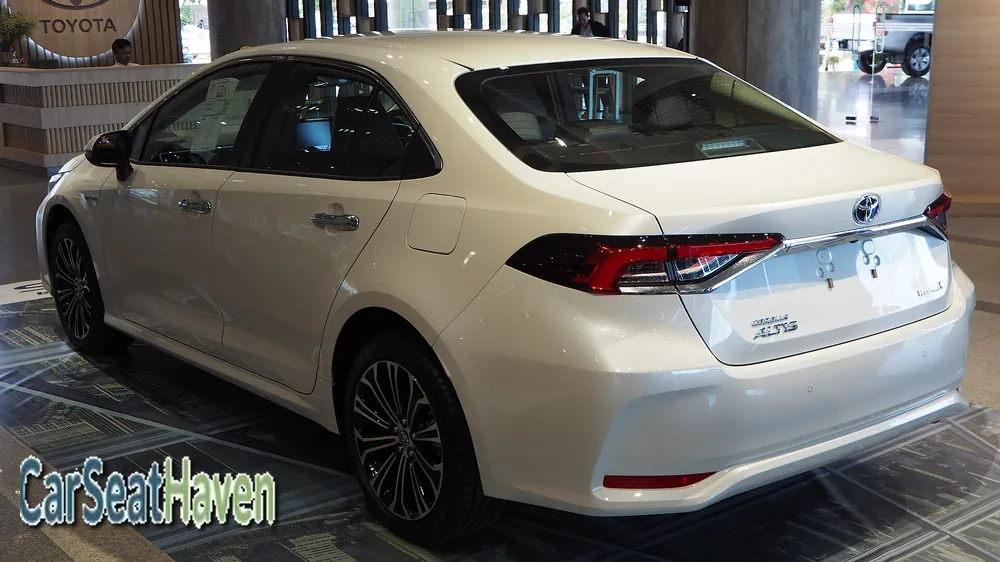
Consider a Corolla if you want a simple daily car with low fuel costs, easy controls, standard safety equipment, and a strong reliability record. It suits solo commuters, couples, and small households. It suits drivers who spend a lot of time in the city, because that is where the hybrid really shines. It suits buyers who want a new car for less than the average new car transaction price, without giving up modern safety equipment. And it suits people who plan to keep a car for many years, because low repair frequency and strong resale value help over a long run.
Who should skip the Corolla sedan
Skip the sedan, or at least look at a larger car or a hatchback first, if you need a lot of rear seat space for tall adults, if bulky cargo is a regular job, if you want strong acceleration or a genuinely sporty feel, or if you need a roomy family car for teenagers and luggage on long trips. In those cases, a larger sedan, a hatchback, or a small SUV will do the job better, even if it drinks a bit more fuel. The Corolla Cross gives you more space and a higher driving position. The Camry gives you more rear room and more power. The Prius gives you hatchback versatility with strong fuel economy. None of that makes the Corolla a bad car. It just means a different car matches a different need.
What to check before you buy
First, pick gas or hybrid from your driving, not from the headline price alone. Mostly short city trips? The hybrid will save more. Mostly highway? The gap narrows, and the gas model looks more competitive.
Second, settle front wheel drive or all wheel drive early. Want all wheel drive? Then you are choosing a hybrid LE or hybrid SE, and accepting the fuel economy trade off that comes with it.
Third, drive it on a highway, not just around the block. Listen for road noise, check rear headroom if tall passengers ride in the back often, and see whether the seats still feel good after more than a few minutes.
Fourth, pin down the price basis. Ask whether a quoted price is before destination or with destination included, and what dealer fees and options sit on top. Compare trims on the same basis, or you will end up comparing different totals without noticing.
Fifth, check exact safety ratings for the body style you are buying, sedan or hatchback, on the current rating pages, and check open recalls by vehicle identification number if you are buying used.
Sixth, if you can, bring your child seats, your normal luggage, or your everyday cargo to the dealer. A trunk figure on paper will not tell you whether your stroller, your golf bag, or your weekly shopping actually fits the way you need it to fit.
FAQs
1. Is the Toyota Corolla a good car in the United States?
Yes, for its purpose it is a good car. It is fuel efficient, reliable in general, easy to drive, and well equipped with safety equipment for its price. It is not a fast car, a large car, or a premium car, and it should not be judged as one.
2. What is the price of a 2026 Toyota Corolla in the United States?
The gas sedan starts at $23,125 before destination, and the hybrid sedan starts at $24,975 before destination. Add $1,195 for destination, plus tax, title, registration, and dealer fees, to get closer to the final price.
3. Which Toyota Corolla trim is the best value?
For most buyers, the Hybrid LE offers the best value, because it has the highest fuel economy in the range, the full safety suite, and a lower price than the higher hybrid trims. If you want a gas only car, the gas LE is the value starting point.
4. Does the Toyota Corolla Hybrid need to be plugged in?
No. It is a conventional hybrid, not a plug in hybrid. You fill it up with gasoline, and the car manages its battery on its own through the engine and regenerative braking.
5. What is the fuel economy of the Toyota Corolla Hybrid?
The front wheel drive Hybrid LE and Hybrid XLE are rated at 50 miles per gallon combined. The front wheel drive Hybrid SE is rated at 47 miles per gallon combined. All wheel drive versions are rated slightly lower, at 48 miles per gallon combined for the Hybrid LE and 44 for the Hybrid SE.
6. Is all wheel drive available on the Toyota Corolla?
Yes, but only on the hybrid sedan, on the Hybrid LE and Hybrid SE. Gas sedans are front wheel drive only, and the hatchback does not offer a hybrid or all wheel drive in the current United States lineup used here.
7. How big is the Toyota Corolla trunk?
The sedan trunk holds 13.1 cubic feet. That is enough for groceries and normal luggage, but it is smaller than some rivals, and the rear seatbacks do not fold flat with the trunk floor.
8. Is the Toyota Corolla reliable?
In general, yes. It has a strong reliability record, a RepairPal rating of 4.5 out of 5, and lower than average repair costs in the table used here. Reliability still varies by individual car and by model year for used cars, so check service history and open recalls by vehicle identification number.
9. How does the Toyota Corolla compare with the Honda Civic?
The Civic is roomier, more enjoyable to drive for many buyers, and more upscale in feel, but it usually costs more. The Corolla answers with a lower starting price, available all wheel drive on the hybrid, and higher maximum fuel economy. This guide does not treat the Civic comparison as a full separate topic, because a full comparison deserves its own article.
10. Should I buy a new Corolla or a used Corolla?
A new Corolla makes sense if you want the full warranty, the latest safety equipment, and the hybrid fuel economy with no prior history to check. A used Corolla can make sense if the price is right, the service history is complete, and a pre purchase inspection finds no major issues. For used cars, check the specific year and the specific car, not just the Corolla name.

Aiden is the founder and editor of CarSeatHaven. He researches NHTSA safety standards, AAP guidance, manufacturer manuals, and recall notices, and turns them into plain-language car seat guides for parents.
