

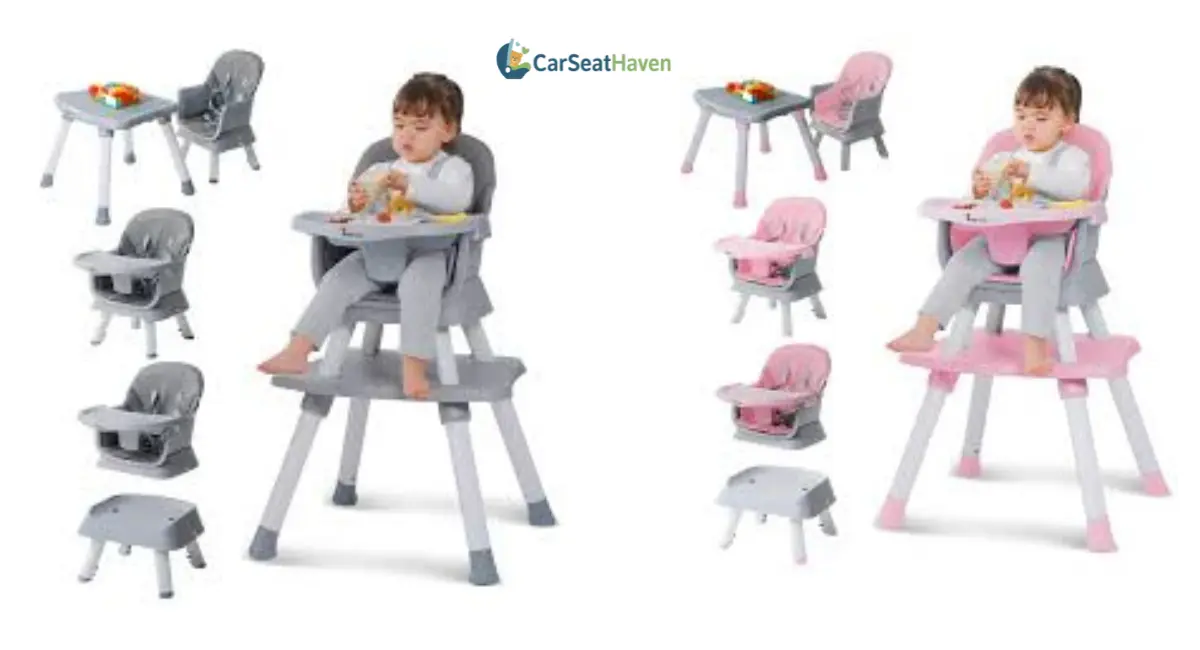
Choosing the best high chairs for babies can feel overwhelming for new parents. With so many brands, styles and recommendations, it’s hard to know which option actually supports safe, comfortable eating. Feeding therapists emphasize that proper posture is essential for healthy eating habits, preventing choking risks, and encouraging longer, more enjoyable mealtimes.
In this guide, we’ll explore what professionals look for in the best high chairs for babies, why positioning matters, how to modify almost any chair, and which models provide the best posture support. We’ll also share safety tips, recommended products, a comparison table and answers to common questions from parents.
Why Proper Positioning Matters in a High Chair
Proper positioning is one of the biggest factors in helping babies and toddlers stay focused and comfortable during meals. When a baby has dangling feet, poor back support or can’t lean forward easily, their body feels unstable. This makes them more likely to wiggle, refuse food or want to get out of the chair quickly.
Feeding therapists see huge improvements in mealtime behavior when parents switch to the best high chairs for babies that encourage stability, posture and natural leaning.
Good positioning also promotes safer swallowing, better chewing and more successful self-feeding.
What Feeding Therapists Look for in a High Chair
When recommending the best high chairs for babies, feeding specialists look for chairs that support proper body alignment. Babies should feel grounded, stable, and secure as they reach, lean, and explore food.
High chairs should allow the baby to sit at the family table, not far away. Sitting together helps babies learn by watching adults and encourages a positive eating environment.
Lastly, therapists prefer high chairs that adapt as babies grow, so parents don’t need to buy multiple chairs.
How Your Baby Should Sit in a High Chair
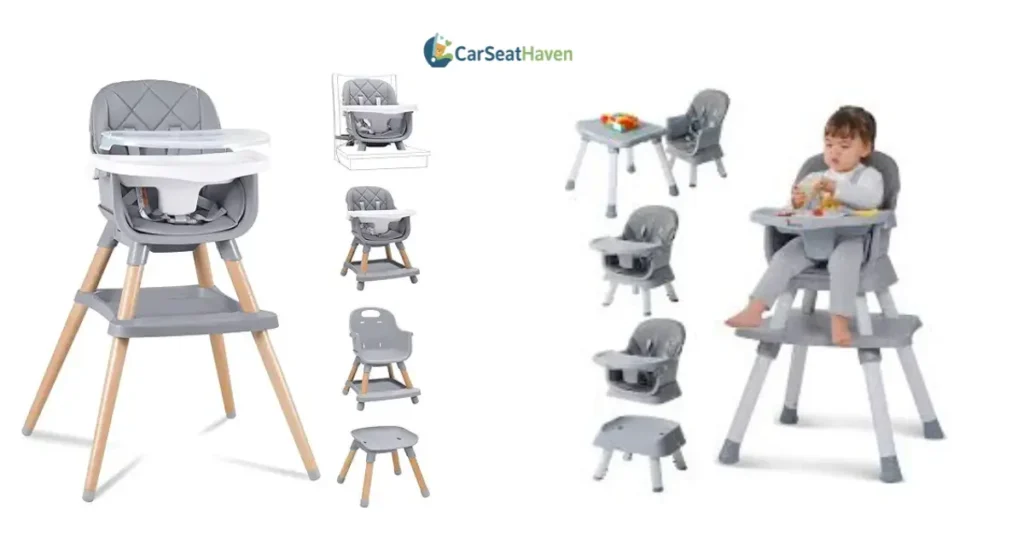
Babies should sit at a 90-degree angle at their hips, knees and ankles. This alignment helps them maintain balance, reach food and swallow safely.
A proper footrest is essential. Without stable feet, babies lose core stability and may slump or lean sideways.
The tray or table height should allow easy access to food—ideally at chest level or slightly lower.
How to Modify Any High Chair for Better Support
Even if your current chair isn’t ideal, simple modifications can transform it. The best high chairs for babies don’t always have to be expensive; sometimes a small adjustment creates dramatic improvement.
Add towel rolls for side support if your baby leans. This prevents wobbling and keeps them centered.
Place a small towel behind your baby if the seat is too deep. This brings them closer to the tray and promotes upright posture.
Footrests can be created using boxes, elastic bands or pool noodles attached with Velcro.
Important Safety & Practical Features to Look for
The best high chairs for babies must be safe, durable and easy to clean. Safety straps should be intact, functional and washable. if you want to buy…
Measure your table height before buying a chair so your child sits comfortably at family mealtime.
Look for chairs with removable trays so the high chair can slide up to the table when your child is older.
Our Feeding-Specialist Approved High Chairs
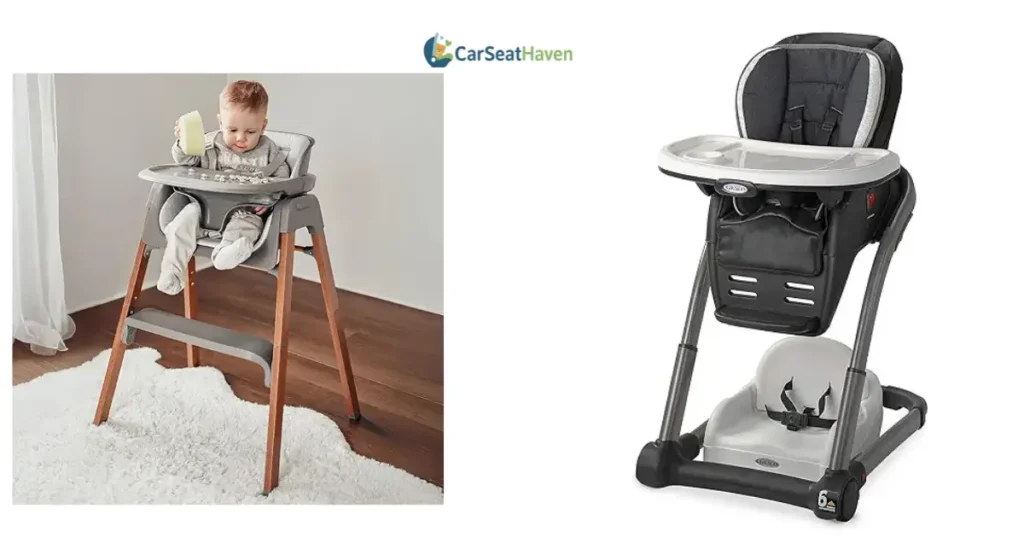
These are the best high chairs for babies recommended by feeding therapists. They support stability, posture and comfort while being easy to clean and adjust.
Stokke Tripp Trapp
This adjustable chair grows with your child and offers excellent footrest positioning.
Keekaroo Height Right
A sturdy wooden option that provides superb posture support and long-term usability.
Abiie Beyond
Known for easy adjustability, durability and comfort for babies and toddlers.
Mockingbird High Chair
Lightweight, modern and supportive with adjustable seating and footrest options.
Comparison Table: Best High Chairs for Babies
| High Chair Name | Footrest Support | Ease of Cleaning | Adjustability | Can Slide to Table |
| Stokke Tripp Trapp | Excellent | Good | High | Yes |
| Keekaroo Height Right | Excellent | Good | High | Yes |
| Abiie Beyond | Excellent | Very Good | High | Yes |
| Mockingbird High Chair | Good | Excellent | Medium | Yes |
Other Good High Chair Options
These chairs support fairly good posture but may require small modifications.
Chicco Polly
Comfortable and padded but may need a footrest addition for smaller babies.
Graco Blossom 6-in-1
Versatile and long-lasting but deeper seating may require towel rolls.
Phil & Ted’s Lobster Clip-On
Great for counter-height tables; add a box or stool under feet.
Inglesina Table Chair
Compact and portable but requires creative foot support.
The Truth About the IKEA High Chair
The IKEA ANTILOP high chair is popular because it’s cheap and easy to clean but its deep seat creates poor posture for many babies.
If used, it should be modified with rolled towels, support pillows or aftermarket accessories. Some brands offer cushions, placemats and footrests for better alignment.
The IKEA LANGUR is a better option with an improved backrest and footrest.
How to Add a Footrest If Your Baby’s Feet Don’t Reach
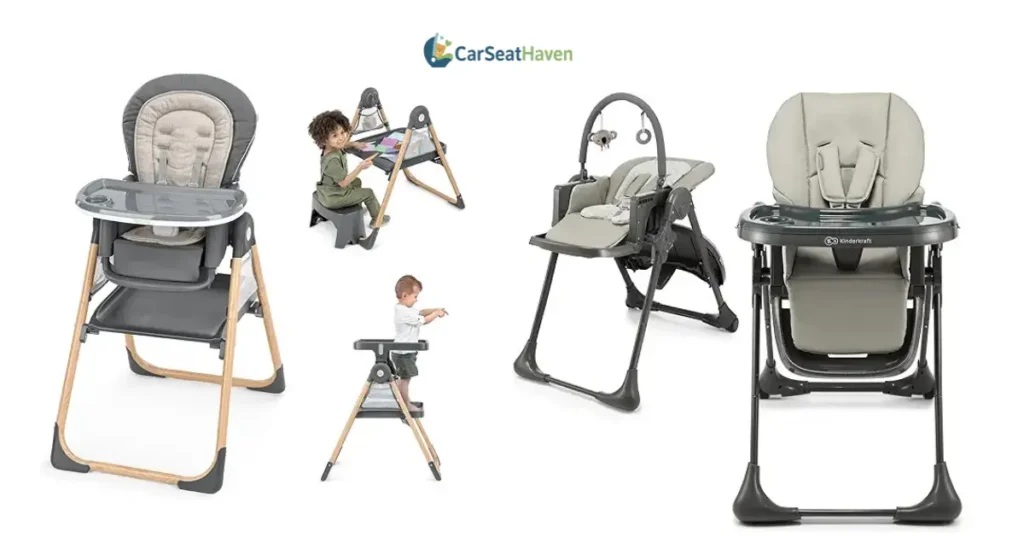
Creating a footrest is simple and can instantly improve posture. Elastic exercise bands can serve as a flexible foot support.
Saran wrap boxes taped to the legs provide a budget-friendly solution.
Sometimes, sliding a dining chair under the high chair gives the baby a stable place to rest their feet.
Booster Seats: When & How to Use Them
Booster seats work when toddlers are ready to transition from high chairs. Many toddlers prefer sitting at the table around 18–24 months.
The best high chairs for babies often convert into toddler chairs, eliminating the need for separate boosters.
When choosing a booster, ensure your child can see their food easily and maintain a stable posture.
Using Footrests With Booster Seats
Boosters usually don’t offer foot support, so a DIY solution may be needed. A sturdy box under the table can act as a footrest.
Convertible high chairs with built-in footrests are often a better long-term investment.
Always check that your child sits at a comfortable height relative to the table.
Should You Use Floor Seats or Bumbo Seats?
Floor seats like the Bumbo don’t encourage natural sitting development and may place babies in a posterior pelvic tilt.
These seats aren’t ideal for feeding and can lead to poor posture habits.
Using them occasionally is fine, but they shouldn’t replace proper upright seating.
Extra Section: Signs Your Baby Is Ready to Eat
Here are important developmental signs to watch for:
- Baby can sit independently with minimal support.
- Baby shows interest in food and reaches for objects.
- Baby can lean forward without losing balance.
These signs, combined with good posture, help ensure a safe feeding experience.
Final Thoughts
Choosing the best high chairs for babies is one of the most important decisions for safe and successful feeding. Proper posture, foot support and comfortable alignment make a dramatic difference in how babies eat and behave at the table. Whether you buy a top-rated high chair or modify your current one, focus on creating a stable, supportive eating environment.
A well-positioned child is a more confident, comfortable and successful eater.
FAQs
1. At what age should I start using a high chair?
Most babies are ready around 6 months, once they can sit independently with minimal support.
2. Why is foot support important in high chairs?
Foot support adds stability, improves posture and helps babies stay focused and comfortable.
3. Can I use the IKEA high chair without modifications?
You can, but adding support like cushions and footrests greatly improves posture.
4. When should I switch to a booster seat?
Most toddlers transition between 18–24 months, but timing depends on your child’s comfort.
5. Are reclining high chairs safe for feeding?
No. Babies should always eat in an upright position, not reclined.

