

Table of Contents
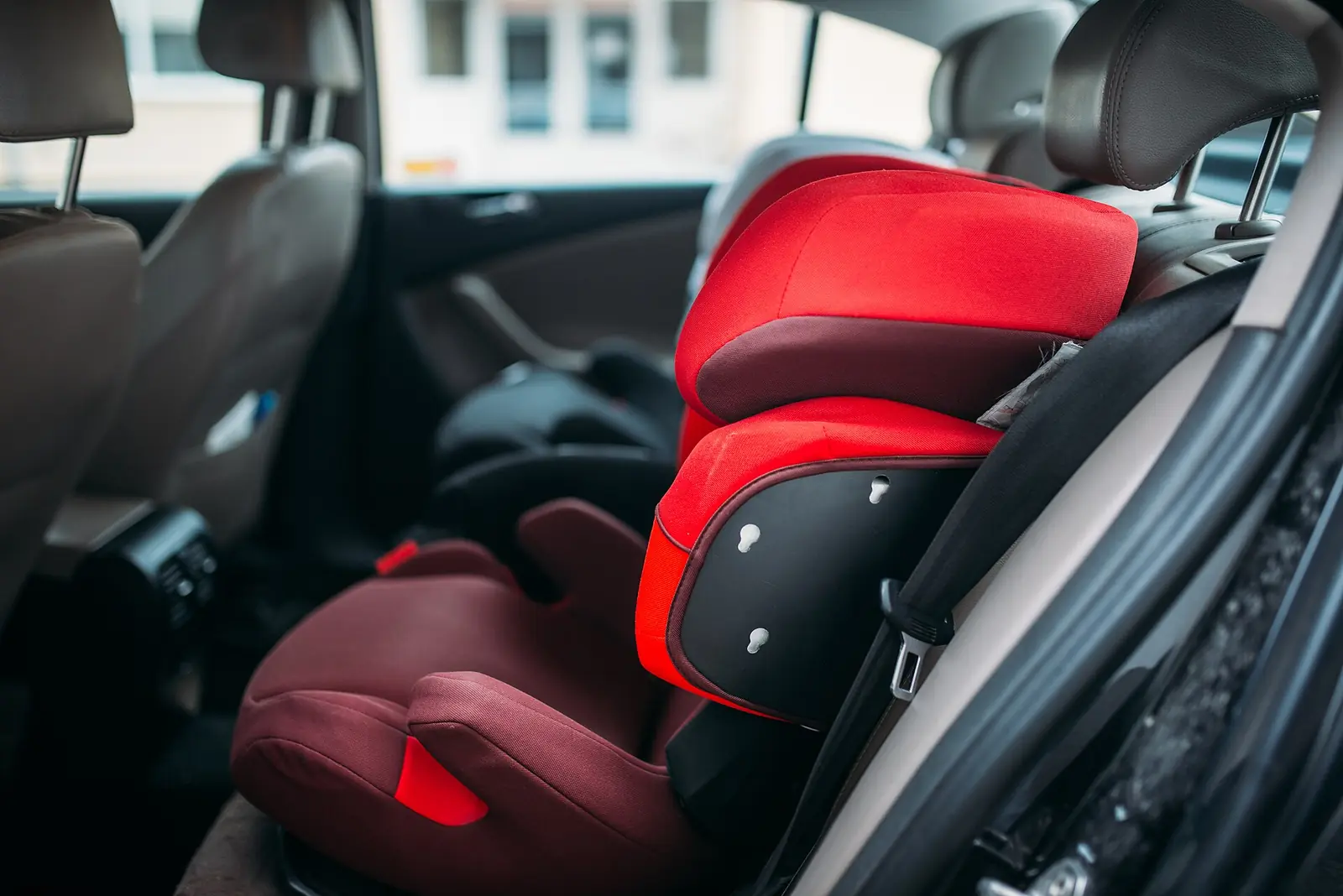
According to the American Academy of Pediatrics, a child can turn forward when the child outgrows the rear facing height or weight limits of the convertible seat, and the child also meets the minimum forward facing requirements of that seat. According to manufacturer manuals, the minimum forward facing requirements commonly include a minimum age of 2 years and a minimum weight of 22 to 25 pounds. According to current guidance, most children reach the rear facing limits between ages 2 and 4. A birthday alone does not authorize the turn. If either condition is unmet, the answer is not yet.
Key Takeaways
- According to the American Academy of Pediatrics, the turn depends on the limits of the specific seat, not on a birthday.
- According to manufacturer manuals, most children reach the rear facing limits between ages 2 and 4, and the limits of the seat decide the timing.
- According to manufacturer manuals, the child must also meet the minimum forward facing age and weight. Minimums are floors, not goals.
- According to the physics of a crash, every additional month rear facing increases protection, and no benefit follows from an early turn.
- According to manufacturer manuals, a forward facing installation requires the forward facing belt path, an attached top tether, and a harness at or above the shoulders.
The Decision Rule: Turn Car Seat forward

According to the American Academy of Pediatrics, the decision contains two conditions, and both conditions must hold at the same time. The first condition is that the child has outgrown rear facing on the current seat. The second condition is that the child meets the minimum forward facing requirements stated in the manual. If the first condition holds and the second condition fails, the correct action is a seat with higher rear facing limits, not an early turn. If the second condition holds and the first condition fails, the correct action is continued rear facing. If both conditions hold, the turn is correct.
According to the American Academy of Pediatrics, birthdays, milestones, and the choices of other parents are not safety criteria. According to child passenger safety guidance, the vertebrae of a young child remain largely cartilage, and the head of a toddler remains heavy relative to the neck. According to the same guidance, growth resolves this vulnerability over time, and the limits of the seat measure that growth against the actual child. For that reason, the limits of the seat form the only valid trigger for the turn.
Weight Requirements for Forward Facing
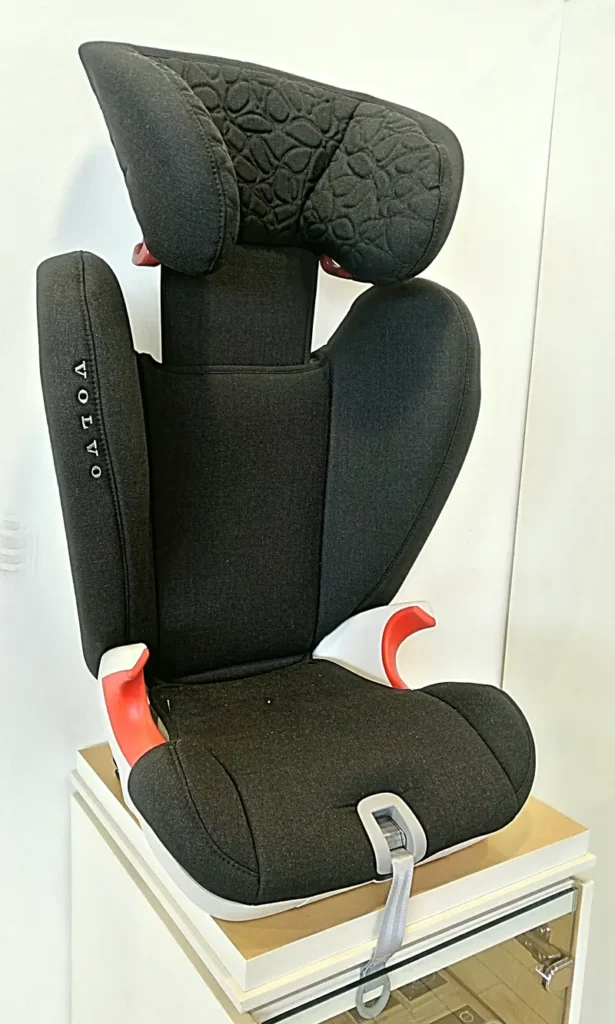
According to manufacturer manuals, the minimum weight to start forward facing commonly sits at 22 to 25 pounds, together with a minimum age of 2 years. According to the same manuals, this number is a floor. The floor states the point below which forward facing is not permitted. The floor does not state the point at which forward facing becomes advisable. A child who only just meets the minimum stands at the lowest margin of forward facing safety.
According to manufacturer manuals, the maximum weight for rear facing commonly sits at 40 or 50 pounds. According to the same manuals, this number decides the timing of the turn. The weight of the child rises toward this number across the toddler years. The day the maximum is reached, together with the height check, is the day of the turn. The minimum states when the turn becomes permitted. The maximum states when the turn becomes necessary. The period between the two numbers is the waiting period, and the waiting period is the core of the decision.
According to the American Academy of Pediatrics, the correct weight for forward facing is the highest weight the child reaches within the rear facing limits. A child of 30 pounds at age 3 who still fits rear facing must remain rear facing. A child of 25 pounds at age 2 at the minimums must remain rear facing. Weight forces the turn only when the rear facing maximum is reached. Until that point, weight is a reason to wait, not a reason to turn. According to practical guidance, the parent must weigh the child regularly, not only at annual checkups. A bathroom scale provides the measurement: the parent weighs the adult holding the child, then weighs the adult alone, and subtracts the second number from the first. Growth arrives in spurts, and the gap between comfortable clearance and the limit can close within one spurt. A weigh in every month or two keeps the parent ahead of the change.
Signs of Readiness
- According to the manual, the rear facing weight limit is reached or exceeded, measured against the current weight of the child. This item is the primary trigger.
- According to the manual, the rear facing height limit is reached. The top of the head of the child sits within about an inch of the top of the seat shell, or the child has exceeded the stated rear facing height limit. Leg position does not count. Only head clearance and the stated limit count.
- According to the manual, the child meets or exceeds the minimum age and the minimum weight for forward facing. Both minimums must hold, not one alone.
- According to the manual, the parent has read the forward facing section of the manual in full. The conversion contains specific steps, and the conversion must not proceed from memory.
- According to the vehicle manual, a top tether anchor exists for the seating position that will be used, and the parent knows the location of the anchor. Every forward facing installation requires the tether.
If any item on this list is unmet, the waiting period continues. An unmet item is not a failure. An unmet item is the system working as designed.
Signs That the Turn Is Not Yet Correct
- According to child passenger safety guidance, a birthday is not a safety criterion. A child who has just turned 2 and still fits rear facing must remain rear facing.
- According to child passenger safety guidance, bent legs are comfortable for toddlers and irrelevant to safety. Bent legs are never a reason to turn.
- According to child passenger safety guidance, the timing chosen by other parents is not data. The choices of other families do not alter the limits of the seat.
- According to child passenger safety guidance, crying while rear facing is not a safety criterion. A mirror, a snack, timing drives around naps, and a rotation of car toys address comfort without reducing protection. An early turn exchanges a comfort problem for a safety problem.
- According to child passenger safety guidance, convenience is not a safety criterion. If convenience is the issue, the correct action is a convertible seat with higher rear facing limits, not an early turn.
- According to child passenger safety guidance, the insistence of a grandparent does not alter the criteria. A statement from the pediatrician that the child must remain rear facing until the limits of the seat are outgrown resolves most disagreements.
Extended Rear Facing
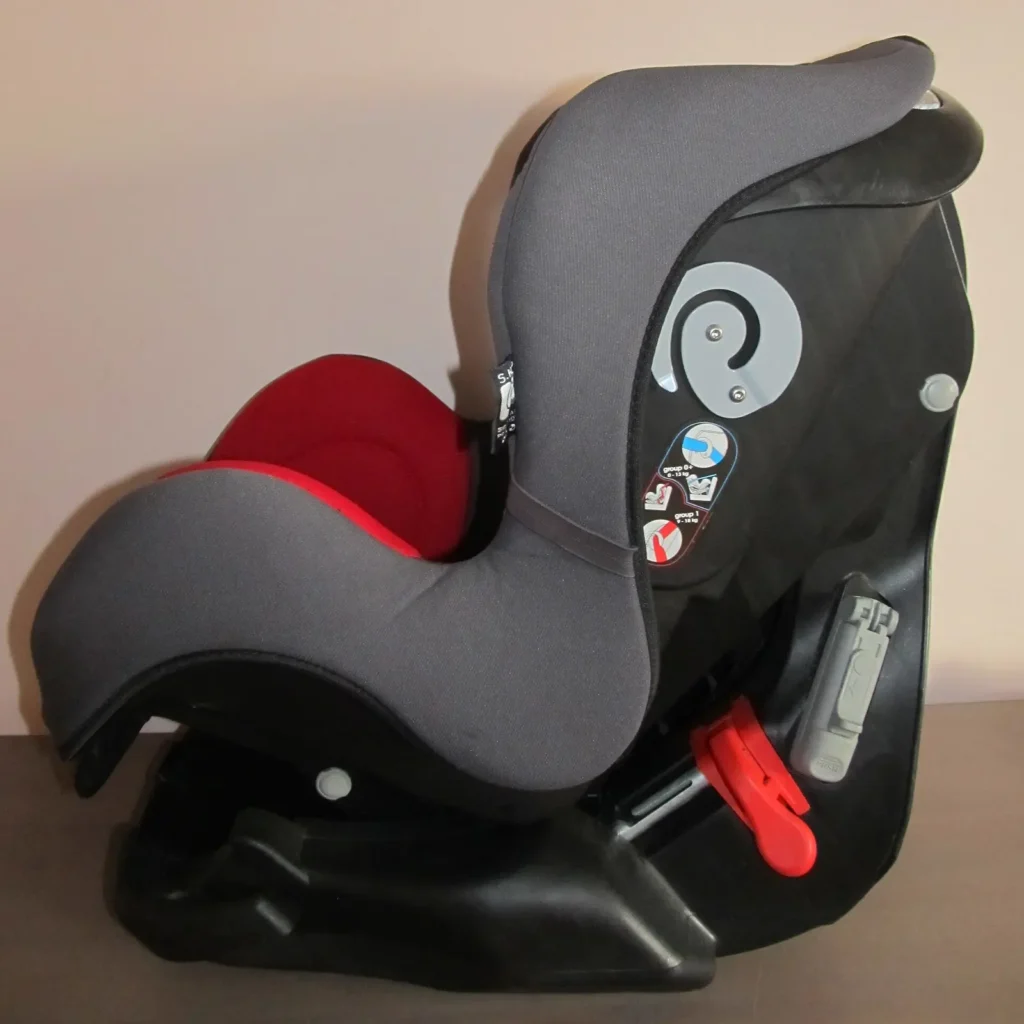
According to the American Academy of Pediatrics, extended rear facing means keeping the child rear facing past age 2. Extended rear facing is the natural result of following the limits of the seat instead of the calendar. Sweden illustrates the practice at population level: rear facing to age 4 is the cultural norm in Sweden. According to international road safety comparisons, child traffic fatality rates in Sweden stand among the lowest in the world. According to the American Academy of Pediatrics, the protective mechanism is the distribution of crash forces across the head, neck, and spine together, instead of loading the neck alone.
According to manufacturer manuals, extended rear facing requires three elements. The first element is a convertible seat with generous rear facing limits, with 50 pounds as the preferred target when buying. The second element is adherence to the limits of the seat instead of the calendar. The third element is confirmation from the pediatrician, which provides additional confidence. The child requires no special preparation. Toddlers adapt to rear facing without reference to an alternative.
According to manufacturer manuals, extended rear facing has an upper bound, and the upper bound is the limits of the seat. Extended rear facing does not mean rear facing without end. Extended rear facing means rear facing until the limits of the seat are reached. When a child at age 4 outgrows the rear facing limits of a 50 pound seat, the forward turn is correct and safe, completed properly with the tether and the harness. The goal was never to avoid the turn. The goal was the turn at the correct time, and the correct time arrives later than most parents expect. According to pediatric guidance, carsickness forms one narrow exception. A small number of children experience vomiting on every ride while rear facing. According to the same guidance, the evidence for improvement after the turn is anecdotal rather than scientific, and many children experience carsickness in either direction. If vomiting occurs on every ride, the parent must consult the pediatrician. For all other cases, the guidance remains unchanged: wait.
Guidance From Authorities
According to the American Academy of Pediatrics, children must remain rear facing as long as possible, until the child reaches the highest weight or height allowed by the seat. The guidance does not set age 2 as the target. The guidance does not set appearance of readiness as the target. The guidance sets the limits of the seat as the target.
According to NHTSA guidance, children must remain rear facing as long as the seat allows, then move to forward facing with a harness, then to boosters, with the back seat until age 13. According to NHTSA guidance, this sequence is the standard progression of child passenger safety.
According to pediatric guidance, the pediatrician provides authoritative backup for family discussions. At the next checkup, the parent can ask whether the child must remain rear facing until the limits of the seat are outgrown. According to pediatric guidance, the answer is yes.
The Day of Conversion

According to manufacturer manuals, the day of conversion requires a proper procedure, not an improvisation. The parent must set aside unhurried time. The parent must read the forward facing section of the manual first. The parent must then convert the seat through the following steps in order.
- Move the LATCH strap or the vehicle belt to the forward facing belt path. The classic conversion error is retention of the strap in the rear facing path.
- Set the forward facing recline position stated in the manual.
- Install the seat with the chosen method, LATCH or vehicle belt.
- Attach the top tether and tighten the tether until snug.
- Set the harness with straps at or above the shoulders.
Myths About Turning Forward
According to child passenger safety guidance, the folklore around this topic is largely incorrect. The following corrections state the record.
- Myth: The law requires the turn at age 1. Correction: According to current law in most states, the old rule is retired, and most current laws require rear facing to at least age 2, with best practice extending well beyond age 2. A citation of the 1 year rule relies on expired information.
- Myth: Pediatricians direct the turn at age 2. Correction: According to the American Academy of Pediatrics, the guidance is rear facing as long as possible until the limits of the seat. Age 2 is a minimum in many jurisdictions, not a target.
- Myth: Large babies must turn early. Correction: According to manufacturer manuals, only the stated limits of the seat matter, not the percentile of the baby. A child at the 95th percentile at 18 months in a 50 pound limit seat retains years of rear facing.
- Myth: Forward facing is more comfortable. Correction: According to child passenger safety guidance, comfort is not the deciding factor. Toddlers sit with legs crossed without distress, and adult ideas about legroom do not apply to toddlers.
- Myth: The seat is designed to turn at a specific age. Correction: According to manufacturer manuals, seats are designed for use to the limits of each mode. The engineers who set a 50 pound rear facing limit set that limit for use, not for display.
- Myth: The turn will end the crying. Correction: According to child passenger safety guidance, novelty may distract a forward facing child briefly, and the novelty then fades, leaving the same crying child with less protection. The correct action addresses comfort, not direction.
Rear Facing Past Age 2 in Daily Use
According to child passenger safety guidance, toddlers who have always ridden rear facing know no alternative. The child climbs in, arranges the legs in a crossed position or propped on the seatback, and continues the routine. The daily reality is unremarkable.
According to practical guidance, four upgrades smooth the long rear facing years. The first upgrade is a shatterproof back seat mirror, which allows the parent and the child to see each other and resolves many complaints. The second upgrade is a small rotation of car only toys, which preserves novelty. The third upgrade is planned stops every couple of hours on long drives, which serve circulation and comfort for all occupants. The fourth upgrade is a harness check every few weeks as the child grows, because growth spurts alter the fit.
According to practical guidance, loading a larger toddler into a rear facing seat requires more lifting than loading a forward facing seat, where the child climbs in with greater independence. The parent already lifts a toddler many times per day, and the car seat does not change that pattern. According to parent reports, rear facing toddlers often settle faster, because the enclosed feeling provides security rather than restriction. The anticipation of difficulty exceeds the reality in most cases.
Choosing a Seat With Turning in Mind
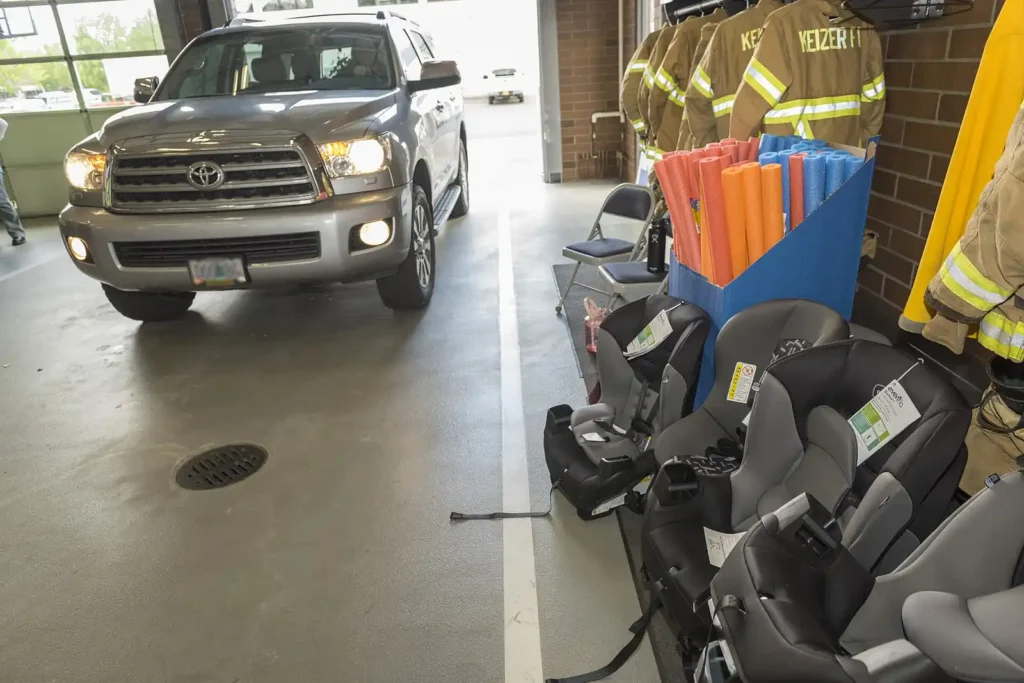
According to manufacturer manuals, the single most important specification when buying a convertible seat is the rear facing weight limit. A seat with a 40 pound rear facing limit provides the basics. A seat with a 50 pound rear facing limit provides options deep into the preschool years. The price difference between the two is usually modest, and the difference purchases additional years of rear facing.
According to manufacturer manuals, the buyer must also check rear facing height capacity, because a tall shell gives children with long torsos more time. According to practical guidance, the buyer must check the installation system, because a seat in daily use for five years must install easily twice per day. According to the same guidance, the buyer must check the footprint when multiple seats must fit across one row, because some high limit seats are also narrow. The correct purchase maximizes rear facing time in the actual vehicle, not the appeal of the packaging.
According to practical guidance, the parent must buy the convertible seat before the need arrives, not in the week the child outgrows the infant seat. Seats go on sale, stock fluctuates, and a rushed purchase at night risks a poor choice. Two months of overlap is comfortable. The parent installs the new seat, arranges a check of the installation, and transitions on a calm weekend.
Timeline by Age
According to manufacturer manuals and the American Academy of Pediatrics, the decision follows the same method at every age. The timeline below states the honest assessment at each stage.
- At 18 months: According to the American Academy of Pediatrics, the turn is almost certainly too early. Unless the child is extraordinarily large and the seat carries low rear facing limits, a child at 18 months must remain rear facing. If the seat forms the constraint, the correct action is a higher limit seat, not an early turn.
- At 2 years: According to manufacturer manuals, the minimum zone begins. Many children meet the forward facing minimums around this age, and that fact explains the significance attached to this birthday. Minimums are floors. If a child at 2 years still fits rear facing, and most do, the child must wait. Turning at 2 because the turn is permitted is technically allowed and rarely optimal.
- At 2.5 to 3.5 years: According to manufacturer manuals, the typical turning window opens. Most children in most seats genuinely approach the rear facing limits in this period. Growth spurts arrive, head clearance shrinks, and the checklist moves toward yes. A turn in this window, when the limits state completion, is fully consistent with the guidance.
- At 4 years and beyond: According to manufacturer manuals, the extended group continues. Children still rear facing at 4 are usually in high limit seats with tall shells. Nothing extreme attaches to this practice. The practice is the direct result of buying a 50 pound limit seat and following the manual exactly.
Wherever the child falls on this timeline, the process is identical: check the limits, check the minimums, confirm both, then convert properly. The timeline does not change the method. The timeline only changes the waiting.
After the Turn: The First Month
According to child passenger safety guidance, the first weeks forward facing bring small adjustments. The child can suddenly see everything, and the novelty fades after about three days into normality. The harness feels different to the child, and some children test boundaries by slumping or leaning. The answer is consistent practice: a snug harness every time, a chest clip at the armpits, and no exceptions for short trips.
According to child passenger safety guidance, sleep slump requires attention. A forward facing toddler who falls asleep can slump forward or sideways in a manner that looks alarming. A properly tightened harness keeps the child safe even in a slumped position. If the slumping is dramatic, the parent must check harness tightness and the forward facing recline setting of the seat. Some seats allow a slightly reclined forward facing position that helps. The discipline of the check before every drive continues unchanged in the new stage.
Research Method
The sources for this decision guide are current American Academy of Pediatrics and NHTSA child passenger safety recommendations and the limit structures published in convertible seat manuals from major manufacturers. Guidance and terminology were verified in October 2027. The labels and the manual of the specific seat remain the final authority for the child in that seat.
FAQs
Q.1 When can you turn a car seat forward?
According to the American Academy of Pediatrics, the child can turn forward when the child outgrows the rear facing height or weight limits of the convertible seat, typically between ages 2 and 4, and meets the minimum forward facing requirements of the seat. According to the same guidance, age alone must not decide the turn. According to the American Academy of Pediatrics, rear facing must continue as long as possible. The parent must verify both conditions against the manual before the turn.
Q.2 How much should a baby weigh to face forward in a car seat?
According to manufacturer manuals, two numbers govern the answer. The minimum to start commonly sits at 22 to 25 pounds with a minimum age of 2 years. The number that decides timing is the rear facing maximum, often 40 to 50 pounds. According to the American Academy of Pediatrics, the child must remain rear facing until the maximum is reached, not merely until the minimum is met. Weight forces the turn only at the maximum. Until that point, weight is a reason to wait.
Q.3 Can my 1 year old face forward?
According to the American Academy of Pediatrics, a child at age 1 must not face forward. The neck and spine of a child at age 1 remain far safer rear facing, and the guidance requires rear facing well beyond the first birthday. The old rule of 1 year and 20 pounds is retired. The parent must wait until the rear facing limits of the seat are outgrown, and must also confirm the minimum forward facing requirements.
Q.4 What if my child’s legs are bent rear facing?
According to child passenger safety guidance, bent legs are normal and safe. Toddlers are flexible, and no evidence links bent legs to injury. In a crash, the head and neck of a forward facing child face far greater danger than the legs of a rear facing child ever face. Legroom is never a valid reason for an early turn.
Q.5 Is extended rear facing really necessary?
According to the American Academy of Pediatrics, extended rear facing means rear facing past age 2, and extended rear facing happens naturally when the parent follows the limits of the seat. According to international road safety comparisons, countries where rear facing to age 4 is normal record among the lowest child traffic fatality rates in the world. Extended rear facing is not an exceptional practice. Extended rear facing is the use the seat was designed for, to the limits of each mode.
Q.6 How do I know the rear facing height limit is reached?
According to manufacturer manuals, the height limit is reached when the top of the head of the child sits within about an inch of the top of the seat shell, or when the child exceeds a stated standing height limit. Legs do not count toward the height limit. When doubt remains, a certified technician must check the fit.
Q.7 Does the type of car I drive affect when to turn?
According to manufacturer manuals, the type of car affects the decision only indirectly. Small cars can make rear facing seats feel cramped, and the front seats may need to move forward. The decision criteria do not change: the limits of the seat and the size of the child decide. If space is impossible, a more compact convertible seat with high rear facing limits solves the problem better than an early turn.
Q.8 My twins are different sizes. Do I turn them at different times?
According to manufacturer manuals, the answer is yes in many cases. Each child is measured against the limits of the seat individually. One twin can turn months before the other. The twins share birthdays but differ in body size and therefore differ in timelines. The parent must treat the twins as two separate decisions.

Aiden is the founder and editor of CarSeatHaven. He researches NHTSA safety standards, AAP guidance, manufacturer manuals, and recall notices, and turns them into plain-language car seat guides for parents.
